Military spending can affect a nation’s economy in many ways, such as spurring investments in the private sector, drawing from other public spending, and contributing to national debt. According to the Stockholm International Peace Research Institute (SIPRI), the five biggest spenders in 2023 were the United States, China, Russia, India, and Saudi Arabia. Together, these countries made … Read more
German cars are generally more expensive than Japanese cars because they tend to prioritize performance, luxury features, and cutting-edge technology, often incorporating complex engineering and high-quality materials in their design, while Japanese cars usually focus on reliability, affordability, and practicality, with a more conservative approach to technology and design, making them generally cheaper to produce and purchase.
Key points to consider:
Engineering philosophy: German car manufacturers like BMW, Audi, and Mercedes-Benz often prioritize driving dynamics and a premium feel, with a focus on advanced engine technology and precise handling, which can increase production costs.
Luxury focus: German cars often boast more luxurious interiors with high-end materials and advanced technology features compared to their Japanese counterparts, contributing to a higher price tag.
Brand perception: German brands are often perceived as more prestigious and aspirational, allowing them to command higher prices in the market.
In contrast, Japanese brands like Toyota, Honda, and Nissan typically prioritize:
Reliability: Japanese cars are known for their exceptional reliability and long lifespan, which can be achieved by using well-tested and proven technology.
Value for money: Japanese manufacturers often focus on providing a good balance of features and quality at a competitive price point.
NASA astronauts Sunita Williams and Butch Wilmore have been making headlines for their extended stay aboard the International Space Station (ISS), far beyond their initially planned mission. Scheduled to return to Earth in February 2025, their journey home has been delayed to late March at the earliest due to technical issues with their spacecraft. Despite the challenges, the astronauts have shared heartfelt messages about their experience, expressing their eagerness to reunite with loved ones while maintaining a positive outlook on their mission.
Sunita Williams and Butch Wilmore share their plea to return home
Williams and Wilmore, both seasoned NASA astronauts, have been aboard the ISS for over nine months, significantly longer than their original seven-day mission. According to reports, during a call with NASA officials, Williams remarked, “It doesn’t feel like we’re cast away. Eventually, we want to go home because we left our families a little while ago, but we have a lot to do while we’re up here.”
While their extended stay has become a logistical challenge, the astronauts have emphasized their commitment to completing their work aboard the ISS, which includes scientific experiments and upcoming spacewalks.
Life aboard the International Space Station
Living in microgravity has unique quirks, and Wilmore and Williams have shared humorous anecdotes about their daily routines. One notable aspect is the practicality of wearing the same clothes for extended periods. “Clothes fit loosely up here,” Wilmore said, adding that in space, garments can be worn for weeks without discomfort since there’s no sweating as on Earth.
Concerns arose about the astronauts’ health after photos showed Williams appearing weaker and losing muscle mass. However, both astronauts reassured the public that their food supply is sufficient. As reported, Wilmore jokingly commented, “We are well fed,” easing fears about their well-being.
Challenges leading to the extended mission
The astronauts’ prolonged stay aboard the ISS is due to technical issues with Boeing’s Starliner spacecraft. Originally designed for a brief 7-day mission, the spacecraft experienced propulsion system problems that delayed its planned return in June 2024. NASA has rescheduled their return flight for March 2025 at the earliest, pending the successful launch of Crew-10 to bring them back.
Despite the delays, both astronauts have continued their work diligently, managing operations aboard the ISS and conducting experiments associated with SpaceX 31. These efforts have kept them engaged and contributed valuable data to NASA’s ongoing research.
The human element of space exploration
The prolonged mission underscores the emotional and physical challenges astronauts face during extended space travel. While the scientific benefits of their work are immense, the personal sacrifices, such as time away from family, highlight the dedication required for such endeavors. Williams and Wilmore’s positive attitudes and humor have resonated with many, showcasing the resilience needed to thrive in space.
What’s next for Sunita Williams and Butch Wilmore?
The delay in their return highlights the complexities of space exploration, where even the smallest technical issues can have significant implications. As Crew-10 prepares for its mission to bring Williams and Wilmore home, NASA remains committed to ensuring the safety and success of its astronauts.
The Indian economy presents a mixed picture with both positive and negative aspects. Positive aspects:
Strong economic growth: India has consistently shown strong economic growth rates, making it one of the fastest-growing major economies in the world.
Large and growing domestic market: India boasts a large and increasingly affluent population, creating a vast domestic market for goods and services.
Diverse economy: The Indian economy is diversified across sectors like agriculture, manufacturing, services, and technology, providing a degree of resilience.
Young and growing workforce: India has a large and young workforce, which can fuel economic growth and innovation.
Increasing foreign investment: India has been attracting significant foreign investment, which can drive economic development and create jobs. Negative aspects:
High unemployment: Despite economic growth, unemployment remains a significant challenge, especially among youth.
Income inequality: Income inequality is a persistent issue, with a large portion of the population living in poverty.
Rural-urban divide: The gap between rural and urban areas in terms of development and opportunities is substantial.
Infrastructure bottlenecks: Inadequate infrastructure, such as transportation and energy, can hinder economic growth and development.
Corruption and red tape: Corruption and bureaucratic hurdles can create challenges for businesses and investors. Overall, the Indian economy is a complex and dynamic one with both strengths and weaknesses. While the country has made significant progress in recent years, addressing challenges like unemployment, inequality, and infrastructure will be crucial for sustained and inclusive growth.
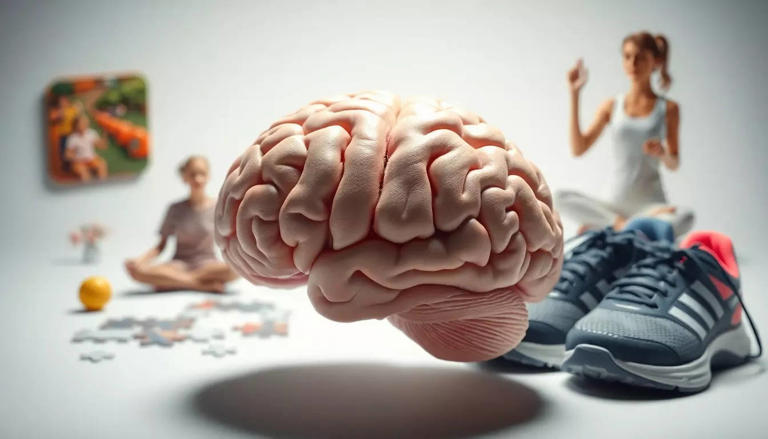
Keeping your brain active and healthy is just as crucial as maintaining physical fitness. Cognitive exercises not only improve memory and concentration but also enhance overall mental agility. Incorporating simple yet effective brain-boosting exercises into your daily routine can lead to long-term cognitive benefits. Below are six exercises that can help strengthen your brain, improve memory, and sharpen mental skills
1. Practice Mindfulness Meditation
Mindfulness meditation is a proven way to enhance brain function and reduce stress.
How It Works: Focusing on your breathing and staying in the present moment helps improve attention span and memory.
Benefits: Studies show that regular meditation can increase grey matter density in areas of the brain associated with learning and memory.
How to Start: Begin with just 5–10 minutes a day, sitting quietly and focusing on your breath.
2. Engage in Puzzle Solving
Puzzles such as crosswords, Sudoku, and brain teasers stimulate critical thinking and problem-solving skills.
How It Works: These activities challenge the brain to find solutions, improving logical reasoning and cognitive flexibility.
Benefits: Regular puzzle-solving can delay memory decline and keep the brain sharp.
Try This: Dedicate a few minutes daily to solving puzzles in newspapers, apps, or books.
Picking up a new skill challenges the brain to adapt, fostering new neural connections.
Examples: Learn a musical instrument, start a new hobby, or even pick up a new language.
Benefits: Learning enhances memory, increases brain plasticity, and can even slow cognitive ageing.
How to Begin: Start with small, manageable goals and gradually expand your knowledge or proficiency.
4. Exercise Your Body to Stimulate the Mind
Physical activity is not just beneficial for your body but also your brain.
How It Works: Activities like aerobic exercises increase blood flow to the brain, supporting better oxygenation and nutrient delivery.
Best Exercises: Walking, jogging, cycling, or yoga are excellent options.
Reading stimulates mental imagery and comprehension, while writing encourages clear thinking and memory recall.
Reading: Explore new genres, complex topics, or even fiction to expand your cognitive horizons.
Writing: Journaling or creative writing helps structure thoughts and enhances verbal fluency.
Benefits: These activities improve focus, critical thinking, and memory retention.
Improving brain power doesn’t require elaborate tools or significant time investments. By integrating simple exercises like meditation, puzzles, learning, and physical activity into your routine, you can enhance cognitive function and boost memory. A consistent effort towards mental fitness ensures sharper thinking, better problem-solving skills, and long-term brain health.