
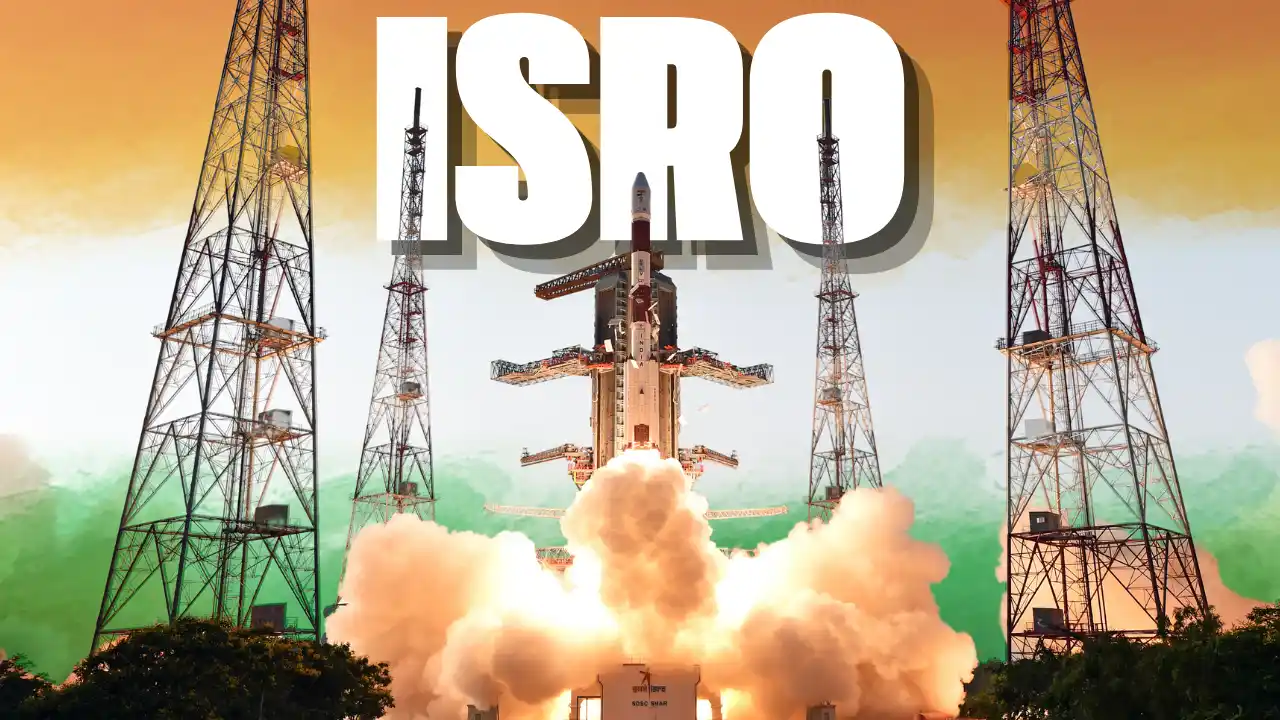
The ISRO Gaganyaan mission is India’s first human spaceflight program, aiming to send a crew of three astronauts into a 400 km orbit for a 3-day mission and return them safely to Earth. Preparations involve developing critical technologies, conducting unmanned test flights, and training astronauts. The first uncrewed test flight is targeted for the fourth quarter of 2025, with the first crewed flight expected by the first quarter of 2027.
Here’s a more detailed look at the preparations:
1. Technology Development:
- Human-Rated Launch Vehicle (LVM3):ISRO is modifying the existing LVM3 (Geosynchronous Satellite Launch Vehicle Mark III) to make it human-rated, capable of safely carrying astronauts to space.
- Crew Escape System:A crucial component is the Crew Escape System (CES) which ensures the crew module can be safely separated from the launch vehicle in case of emergencies during launch or ascent.
- Life Support System:Developing a system to provide a habitable environment for the astronauts in the crew module, including air, temperature, and pressure regulation.
- Service Module Propulsion System:The Service Module (SM) will provide propulsion for orbital maneuvers, including orbit circularization, on-orbit control, and de-boost for re-entry.
- Crew Module:The crew module is being designed to house the astronauts and provide a habitable environment during the mission.
2. Unmanned Test Flights:
- TV-D1:The first unmanned test flight (TV-D1) is a crucial step to validate the Crew Escape System and other critical systems.
- Further Test Flights:Subsequent test flights, including one with the Vyommitra humanoid robot, will test various mission aspects and pave the way for the crewed mission.
3. Astronaut Training:
- Training Center:ISRO has established a Human Space Flight Center in Bangalore to train the astronauts for the mission.
- Recovery Procedures:Extensive training is being conducted to prepare the astronauts and recovery teams for the safe return and recovery of the crew module.
- Water Survival Tests:The Indian Navy’s Water Survival Training Facility (WSTF) is being used to simulate various sea conditions for training recovery teams and flight crew.
4. International Collaboration:
- Axiom-4 Mission Input: ISRO is collaborating with international agencies like Axiom Space to gain valuable insights from missions like Axiom-4 to the ISS, which will inform mission planning, safety validation, and astronaut readiness, according to The Hindu.
5. Mission Timeline:
- First uncrewed mission: Expected in December 2025, featuring the Vyommitra robot.
- First crewed mission: Expected in the first quarter of 2027, following the successful completion of unmanned test flights.
6. Key Goals:
- Demonstrate indigenous capability for human spaceflight to LEO.
- Develop and test critical technologies for human spaceflight.
- Lay the foundation for a sustained Indian human space exploration program.
Looking for a good tai88vin link? Found one that works, figured I’d share. Give it a shot: tai88vin link