
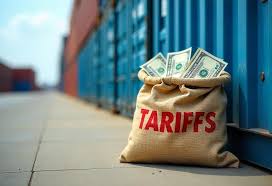
Tariffs typically increase prices for consumers and businesses by making imported goods more expensive, which can lead to reduced choice and higher input costs for domestic producers. While intended to protect domestic industries, they often backfire by harming those same sectors through higher input costs or retaliatory tariffs from other countries. Tariffs can also reduce overall economic growth, cause temporary economic contraction, and disrupt supply chains, though their exact impact depends on the specific context of the tariffs and the economy.
Impacts on Consumers and Businesses
- Higher Prices and Reduced Choice: Tariffs are taxes on imported goods, directly increasing their cost for consumers and businesses. This can lead to higher prices for everyday items and a more limited selection of goods available in the market.
- Higher Input Costs: Businesses that rely on imported materials for their production processes face increased costs due to tariffs. These higher costs may be passed on to consumers, or they might force businesses to reduce output or seek alternative, potentially more expensive, domestic suppliers.
- Supply Chain Disruption: Tariffs can disrupt established supply chains, forcing companies to find new suppliers and logistics, which can be costly and inefficient.
Impacts on Domestic Industries
- Protection vs Backfiring: Tariffs are often implemented to protect domestic industries from foreign competition. However, they can sometimes harm the targeted domestic industries by raising the cost of the imported inputs they need to operate.
- Retaliation: Countries often respond to tariffs by imposing their own retaliatory tariffs on the goods of the country that initiated the tariffs. This can hurt domestic exporters who see their foreign demand decrease.
Broader Economic Impacts
- Reduced Economic Growth: Studies and analyses often find that tariffs can reduce real GDP growth, leading to permanent losses in economic output.
- Economic Contraction: In some cases, a significant increase in tariffs can act as a “supply shock,” leading to a temporary contraction in economic activity.
- Trade Imbalances: While tariffs can affect bilateral trade balances by altering relative prices, they may not necessarily resolve overall trade imbalances.
- Policy Uncertainty: Broad tariff increases can create policy uncertainty, which can negatively affect business sentiment and investment decisions.