What is role of Production Planning in Supply Chain and Logistics ?
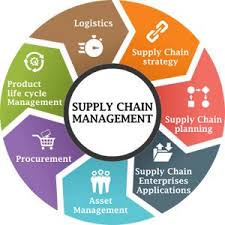
Production planning is a crucial element of supply chain and logistics, acting as the bridge between demand and supply. It involves coordinating resources, scheduling production, and managing inventory to ensure timely and cost-effective delivery of goods. Effective production planning minimizes waste, optimizes resource utilization, and enhances overall supply chain efficiency.
Here’s a more detailed look at its role:
1. Demand Forecasting and Alignment:
- Production planning starts with forecasting future customer demand and aligning production schedules with those forecasts.
- This ensures that the right amount of products are produced at the right time to meet customer needs, minimizing shortages and overstocking.
2. Resource Management:
- Production planning determines the optimal use of resources like labor, equipment, and raw materials.
- It ensures that resources are allocated efficiently, minimizing idle time and maximizing productivity.
3. Production Scheduling:
- Production planning sets clear timelines and expectations for production goals.
- It creates a detailed schedule that outlines the steps involved in production, their dependencies, and the overall timeline.
4. Inventory Management:
- Production planning plays a vital role in managing inventory levels.
- By aligning production with demand, it helps maintain optimal inventory levels, reducing storage costs and preventing stockouts.
5. Supply Chain Coordination:
- Production planning ensures smooth coordination between different stages of the supply chain, from procurement to distribution.
- It helps synchronize production schedules with transportation and logistics, minimizing delays and optimizing delivery times.
6. Cost Reduction:
- Effective production planning helps reduce costs by minimizing waste, optimizing resource utilization, and preventing costly delays.
- It also helps in reducing inventory holding costs and preventing production errors that can lead to returns and increased costs.
7. Improved Efficiency and Customer Satisfaction:
- By optimizing production processes and ensuring timely delivery, production planning contributes to increased efficiency and improved customer satisfaction.
- It enables businesses to respond quickly to changing market demands and maintain a competitive edge.
In essence, production planning is the blueprint for a successful supply chain, ensuring that products are produced efficiently, cost-effectively, and on time to meet customer needs.









3 comments