What is democracy and how it is important ?
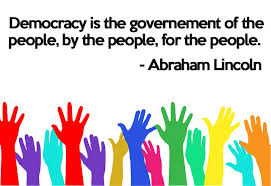
Democracy, fundamentally, means “rule by the people.” It’s a system of government where power is held by the citizens, either directly or through elected representatives. Democracy is important because it fosters individual autonomy, equality, and the protection of human rights, including freedom of thought, expression, and minority rights. It also promotes social justice, economic development, and national tranquility.
Here’s a more detailed look at the concept and its significance:
What is Democracy?
- Rule by the people:Citizens have a voice in how they are governed, whether through direct participation in decision-making or by electing representatives.
- Equality:Democracy strives to ensure that all citizens have equal opportunities to influence decisions and participate in public life.
- Individual autonomy:Democracy emphasizes the importance of individual freedom and the ability of people to control their own lives.
- Protection of human rights:Democracies are expected to uphold fundamental rights and freedoms, such as freedom of speech, religion, and assembly.
Why is Democracy Important?
- Empowerment and participation:Democracy empowers citizens to participate in shaping their society and holding their leaders accountable.
- Rule of law:Democracies are built on the principle of the rule of law, meaning that everyone is subject to and accountable under the law.
- Social justice and equality:Democracy aims to create a more just and equitable society by ensuring equal opportunities for all citizens.
- Economic development:Democracy can foster economic growth by creating an environment of stability, transparency, and accountability.
- Peace and stability:Democracies tend to be more stable and peaceful than authoritarian regimes, as they provide mechanisms for resolving conflicts peacefully.
- Human rights protection:Democracy provides a framework for protecting fundamental human rights and freedoms, ensuring that individuals can live with dignity and respect.
- Responsiveness to citizens’ needs:Elected representatives are more likely to be responsive to the needs and concerns of their constituents than unelected leaders.








1 comment