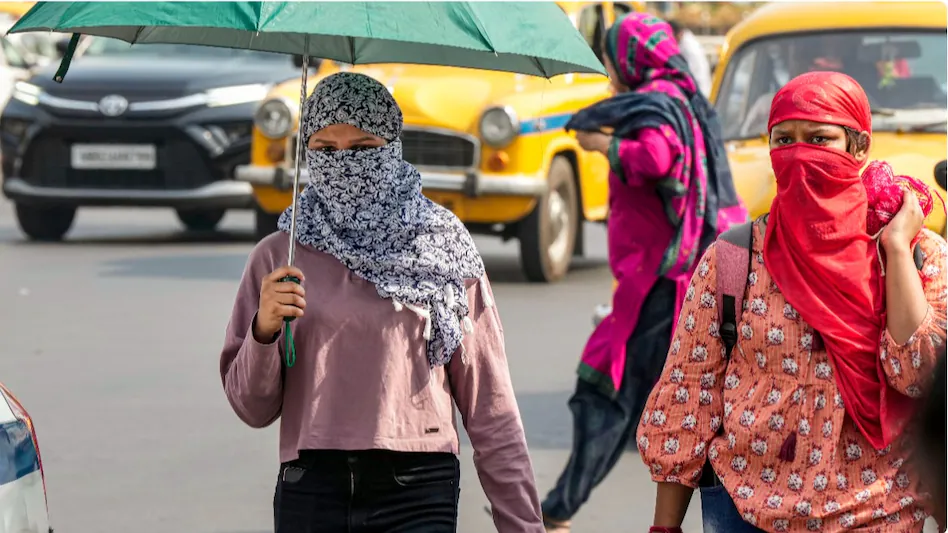
Why heat wave suddenly increases in India ? What is the basic reason? how we tackle from it ?
The sudden surge in extreme heat across India is primarily driven by worsening global climate change, persistent high-pressure systems trapping hot air, and the lack of moisture-rich pre-monsoon showers. This is exacerbated by unplanned urbanization and deforestation.
google.com, pub-8567641699548017, DIRECT, f08c47fec0942fa0
Understanding the crisis requires looking at both the underlying causes and the actionable steps to tackle the heat safely.
The Root Causes
- Global Warming: Anthropogenic greenhouse gas emissions have raised global baseline temperatures, significantly increasing the frequency, duration, and intensity of heatwaves.
- Weather Trapping (“Heat Dome”): High-pressure systems create an atmospheric “lid” that traps hot air close to the ground, preventing the formation of cooling clouds and rain.
- Urban Heat Island Effect: Densely populated concrete and asphalt environments absorb heat during the day and slowly release it at night, making cities feel significantly hotter than surrounding rural areas.
- Deforestation and Dry Land: The loss of green cover reduces natural cooling, while dry, depleted soils absorb more solar radiation, creating a feedback loop that raises temperatures further.
- Hot Local Winds: Dry, scorching winds, known as the Loo, blow from Northwest India and Pakistan, rapidly escalating temperatures.
How to Tackle and Survive the Heat
While addressing the macro-causes requires systemic climate action, immediate and long-term personal adaptation is crucial:
1. Immediate Protection (Personal Level)
- Stay Hydrated: Drink plenty of water regularly, even if you do not feel thirsty. Include Oral Rehydration Solutions (ORS) or electrolyte-rich drinks to replace lost salts.
- Avoid Peak Sun: Limit outdoor activities between 12:00 PM and 4:00 PM. If you must go out, wear a hat or use an umbrella, wear light-colored, loose-fitting cotton clothing, and protect your face.
- Cool Your Core: Keep your environment shaded, use air circulation (fans), and apply cool wet cloths to the face and body.
- Watch for Warning Signs: Be alert to signs of heat exhaustion or heat stroke, such as dizziness, headache, or high body temperature . Move affected individuals to the shade and seek medical help immediately.
2. Long-term Mitigation (Community and Policy Level)
- Urban Greening: Planting extensive urban forests and creating rooftop gardens to cool city microclimates naturally.
- Water Conservation: Protecting and restoring traditional water bodies (like lakes and wetlands) so they act as natural heat sinks.
- Heat Action Plans: Local governments implement measures such as ensuring access to cool public spaces, adjusting outdoor working hours for labor sectors, and providing public cooling centers.
- Sustainable Infrastructure: Designing buildings with cool roofs, proper ventilation, and energy-efficient cooling solutions to avoid compounding the Urban Heat Island effect.
By Bibhakar Kumar






Post Comment